📝 Traducción con IA: Este artículo ha sido traducido automáticamente del inglés al español utilizando inteligencia artificial. Artículo original en inglés. Si encuentras algún error o tienes sugerencias para mejorar la traducción, por favor contáctanos.
Estrategia ágil con Roger L. Martin
El 16 de marzo, entrevistamos a Roger L. Martin por segunda vez. En esta ocasión, el líder de pensamiento en gestión habló con Sohrab sobre la estrategia ágil en general y sobre estrategias ágiles específicamente para startups y grandes organizaciones. Si te interesa el liderazgo y la gestión, esta conversación con el ex decano de la Rotman School of Management de la Universidad de Toronto será un verdadero placer.
Roger ha aparecido múltiples veces en el top 3 de la lista Thinkers50 y es autor de varios libros. Ya presentó su libro "When More is not Better" en la agile100 del año pasado y esta vez el enfoque estará completamente en sus últimas ideas en el campo del desarrollo de estrategias ágiles.
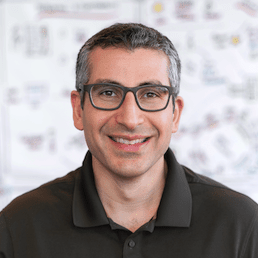
Sohrab Salimi
Sohrab is the Founder & CEO of Scrum Academy GmbH & Agile Academy. He is a Certified Scrum Trainer® and Initiator of the agile100 conference series as well as host of the Agile Insights Conversation.
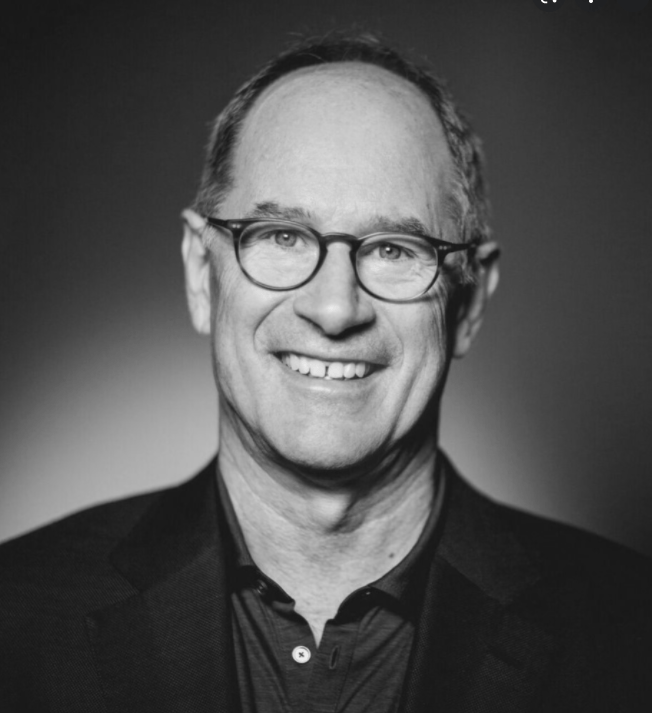
Roger L. Martin
Professor Roger Martin is a writer, strategy advisor and in 2017 was named the #1 management thinker in world. He is also former Dean and Institute Director of the Martin Prosperity Institute at the Rotman School of Management at the University of Toronto in Canada.
Estrategia ágil - Una conversación entre Roger L. Martin y Sohrab Salimi
Sohrab: okay welcome everyone to our next session of the agile insights conversation today. I'm honored again, after I was able to host him last year. Roger Martin is joining us again for those of you who don't know Roger. Roger is the author of many books. That's the way I got to know him. Of course he's done a ton of other interesting stuff in his life and he can tell us more about that a bit later. But he wrote Playing to Win which was one of the main, maybe most defining books on strategy in general, where he also laid out his framework for creating strategy. We will deep dive into this today last year I spoke to him about his book When more is not Better and this book was really interesting because it also, especially for those of you working in agile ways of working, he laid out the mechanistic view or the view of on the economy and on organizations as a machine and thought about like we need to look at organizations differently because they're living organisms and there's a lot of insights in that book. And I think Roger if i'm not mistaken, if i did my homework right, this year you're publishing a new book and it's called a New way to Think.
Roger: That is true.
Sohrab: Which I'm really really curious to read about later and maybe you can give us a bit of thoughts around that throughout this conversation. But before we get this conversation going I introduced you as the author of these three books, maybe you can share with our audience a bit more about yourself and what you've done in the past. Especially connected to the topic of strategy which we will deep dive in today.
00:01:33,440
Roger: Sure well um I guess, I got interested in strategy right from the time I was at business school. And I happened to go to business school at Harvard at the time Mike Porter, a friend and colleague, was publishing competitive strategy and he became a superstar for doing that. But he always wanted to be an academic first and foremost and so when companies called them up and said: "Mike I read your book and I'd like to do this competitive strategy stuff, he didn't really have capacity for it. So we assembled this group around him that could just essentially deal with the demand for his new way of thinking about strategy. So we built a firm called Monitor Company which I did for a decade and a half with a bunch of colleagues and then I got talked into being the dean of the business school in my home country. You can tell by my Canadian accent that I am a Canadian born and the President of the University of Toronto convinced me that I should give up my high paying job in Boston, come back to Toronto and run the Rodman School of management at the University of Toronto. So I did that for fifteen years. But I continued working on and writing about strategy. Including Playing which was written during that period when I was a dean.
Right toward the end of the period, I think it was in 2013, I retired from academia and do the two things I love most. Which is write and advise Senior Executives on strategy. So that's me. I am a strategy geek. I love strategy and I love writing about it. I try to take a little bit more of a holistic view of it and that's why When moore is not Better is not a strategy book. It is, but it's a book that relates to how one needs to think about strategy I think to be effective. But it also applied Strategy to the economy as in general.
Sohrab: Yeah, absolutely. So when I was reading When more is not Better I absolutely saw the link to strategy. Especially when you think about strategy also needing to consider for responsibility that we as organizations and that as individuals have and bringing this into our thinking. Because in the past, everything was about more and bigger, but you can also differentiate and we will talk about strategy more today.
Roger: Yeah
Sohrab: Differentiation is one key aspect of this when you don't aim for more but when you aim for better in different ways so...
Roger: Absolutely
Sohrab: I consider When more is not Better also as a strategy book, especially for CEOs. In that case now you mentioned that.
Roger: Yeah, but if I can just say, if I can just say you know it. I would hope one of the takeaways from When more is not better is to think about sustainability in a holistic way. Is what we're doing sustainable? Now, obviously environmental sustainability is a super important piece of that, but it's not the only element of sustainability. And you know for what it's worth, I mean I think one of the things that I find attractive about agile, is I think embedded in agile, it is a sense of sustainability.
So, if we're talking about being at war with our clients and talking about contracting, so that we can get a favorable deal with clients. That doesn't create a sustainable relationship with a client. And if you make people work in a way that creates all sorts of useless rework that's not sustainable either.
So again. I'm increasingly thinking about "how can you think holistically about what you're doing? In a way that you can keep doing it for the benefit of all the players in the system, rather than some? People would say strategies about how you get advantage and then put the pedal to the metal and take the greatest amount of advantage for you of whatever advantage it is. And that, in my view, is not sustainable and I'm seeing companies that I think are making themselves not sustainable these days, by not thinking holistically about what is not working for everyone.
Sohrab: Absolutely, so taking a full stakeholder perspective and not only a shareholder perspective is just one example. You mentioned today, you're doing the two things that you like most which is writing and advising other people.
Roger: Yes.
Sohrab: As part of writing, just to put it out for everyone. Every week Roger publishes an article on the topic of strategy at Medium.
Roger: Yes.
Sohrab: One of those articles was about agile and playing to win or agile and strategy development based on your own framework. This is what I want to explore. And in our show notes both on YouTube and later in a Podcast you will have the links related to the articles that are referred to here but if you're curious right now just go to google type in roger martin and medium you will find his page and all the articles are out there. It's really good. Now before we talk about agile and strategy, I want to get your perspective Roger on strategy in general. Including like, what are some of the biggest myths out there and how you think about strategy. From my experience going through a lot of literature around this topic working at Bain myself for three years, your perspective is unique and different to what many organizations do and think about strategy.
(Transcripción continua disponible en el artículo original en inglés)
